
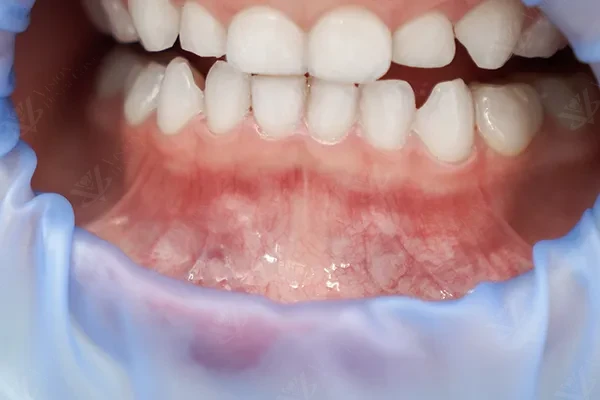
Understanding Gum Disease
Gum disease, known medically as periodontal disease, is one of the most common oral health conditions affecting adults worldwide. It begins as a mild inflammation of the gum tissue and, if left untreated, can progress to a severe infection that destroys the bone and soft tissue supporting your teeth.
The term "periodontal" comes from the Greek words for "around" (peri) and "tooth" (odont). Periodontal disease affects the structures surrounding your teeth -- the gums, the periodontal ligament, and the alveolar bone. Understanding the spectrum of gum disease, from early gingivitis to advanced periodontitis, is the first step toward protecting your oral health.
Common Gum Problems
Gingivitis
Gingivitis is the earliest and mildest form of gum disease. It occurs when plaque accumulates along the gum line, triggering an inflammatory response. The gums become red, swollen, and may bleed during brushing or flossing. The good news is that gingivitis is entirely reversible with proper oral hygiene and professional cleaning -- no permanent damage to the bone or connective tissue has occurred at this stage.
Periodontitis
When gingivitis goes untreated, it can advance to periodontitis. At this stage, the inner layer of the gum and bone pull away from the teeth, forming pockets that collect debris and become infected. As the disease progresses, these pockets deepen, and more gum tissue and bone are destroyed. Teeth may eventually become loose and require extraction.
Gum Abscess
A gum abscess is a localized collection of pus within the gum tissue, typically caused by a bacterial infection in a periodontal pocket. Symptoms include severe, throbbing pain, swelling, and sometimes fever. A gum abscess requires prompt professional treatment to drain the infection and address the underlying cause.
Receding Gums
Gum recession occurs when the gum tissue wears away or pulls back, exposing the tooth root. This can result from aggressive brushing, periodontal disease, genetic factors, or bruxism (teeth grinding). Exposed roots are more susceptible to decay and sensitivity, and the aesthetic impact can be significant.
Warning Signs You Should Not Ignore
Gum disease often develops slowly and without pain in its early stages, which is why many people do not realize they have it until significant damage has occurred. Be alert to these warning signs:
- Bleeding when brushing or flossing -- healthy gums do not bleed from routine cleaning
- Red, swollen, or tender gums -- healthy gum tissue should be firm and pale pink
- Persistent bad breath (halitosis) that does not resolve with brushing
- Gum recession -- teeth appearing longer than before
- Loose or shifting teeth in adults
- Pain when chewing or biting down
- Changes in your bite -- the way your teeth fit together when you close your mouth
If you experience any of these symptoms, do not wait for them to worsen. Early treatment can halt gum disease in its tracks and prevent irreversible damage.
Risk Factors for Gum Disease
While anyone can develop gum disease, certain factors significantly increase your risk:
- Poor oral hygiene: Inconsistent brushing and flossing is the primary cause of plaque buildup and gum inflammation.
- Smoking and tobacco use: Smoking is one of the most significant risk factors. It impairs blood flow to the gums, weakens the immune response, and makes treatment less effective.
- Diabetes: People with diabetes are at higher risk because the condition reduces the body's ability to fight infection, including gum infections.
- Hormonal changes: Fluctuations during puberty, pregnancy, menstruation, and menopause can make gums more sensitive and vulnerable to inflammation.
- Medications: Some drugs reduce saliva flow, which protects gums and teeth. Others can cause abnormal gum tissue growth.
- Genetics: Some people are genetically predisposed to gum disease, even with excellent oral hygiene habits.
- Stress: Chronic stress weakens the immune system, making it harder for the body to fight off infection.
- Nutritional deficiencies: A diet lacking in essential nutrients, particularly vitamin C, can compromise gum health and healing.
The Four Stages of Gum Disease
Stage 1: Gingivitis (Reversible)
The mildest form of periodontal disease. Gums are inflamed but no bone loss has occurred. Symptoms include redness, swelling, and occasional bleeding. With professional cleaning and improved home care, gingivitis can be completely reversed.
Stage 2: Early Periodontitis
The infection has begun to affect the bone supporting the teeth. Gum pockets deepen to 4-5 millimetres (healthy pockets measure 1-3 mm). Early bone loss may be visible on dental X-rays. While the damage at this stage cannot be reversed, it can be managed to prevent further progression.
Stage 3: Moderate Periodontitis
More bone and tissue are destroyed. Pockets deepen further (5-7 mm), and teeth may begin to shift or feel loose. Bacteria can enter the bloodstream through damaged gum tissue, potentially affecting overall health. More intensive treatment is required at this stage.
Stage 4: Advanced Periodontitis
Severe bone loss has occurred, and teeth may become very loose or painful. Deep pockets (7 mm or more) harbour large amounts of bacteria. Teeth may need to be extracted. Advanced periodontitis significantly impacts chewing function, speech, and overall quality of life.
Treatment Options
The treatment approach depends on the severity of the gum disease. Vision Dental Clinic offers the full range of periodontal therapies:
Non-Surgical Treatments
- Professional cleaning (prophylaxis): For patients with gingivitis, a thorough cleaning to remove plaque and calculus above and at the gum line is often sufficient to restore gum health.
- Scaling and root planing: A deep-cleaning procedure performed under local anaesthesia. The dentist or hygienist removes plaque and tartar from above and below the gum line (scaling) and smooths rough spots on the root surface (planing) where bacteria gather.
- Antibiotic therapy: Topical or oral antibiotics may be prescribed to help control bacterial infection. Locally delivered antibiotics can be placed directly into periodontal pockets after scaling and root planing.
Surgical Treatments
- Flap surgery (pocket reduction): The gums are lifted back to remove tartar deposits in deep pockets. The gums are then sutured back in place so the tissue fits snugly around the tooth, reducing pocket depth.
- Bone grafting: When periodontitis has destroyed bone, grafting material (natural or synthetic) is placed to promote the body's ability to regenerate bone and restore stability to the teeth.
- Guided tissue regeneration: A biocompatible membrane is placed between existing bone and the tooth to allow bone and connective tissue to regrow in areas destroyed by bacteria.
- Laser therapy: Advanced laser technology can be used to remove diseased tissue and bacteria while promoting healing. Laser treatment is often less invasive and may result in less discomfort and faster recovery.
Prevention: Your Best Defence
Preventing gum disease is far simpler and less costly than treating it. Here are the essential strategies:
- Brush twice daily with a soft-bristled brush and fluoride toothpaste, using gentle circular motions along the gum line.
- Floss every day to remove plaque and food particles from between teeth and below the gum line.
- Schedule regular dental check-ups -- professional cleanings and examinations every six months allow your dentist to catch and address problems early.
- Quit smoking: Eliminating tobacco is one of the most impactful steps you can take for your gum health.
- Eat a balanced diet: Foods rich in vitamins C and D, calcium, and antioxidants support gum health and healing.
- Manage stress: Practice stress-reduction techniques such as exercise, meditation, or adequate sleep.
- Address dry mouth: If you experience chronic dry mouth, speak with your dentist about solutions to keep your mouth properly hydrated.
The Connection Between Gum Health and Overall Health
Research continues to reveal strong links between periodontal disease and systemic health conditions. The inflammation and bacteria associated with gum disease do not stay confined to the mouth -- they can enter the bloodstream and affect other parts of the body.
- Diabetes: The relationship between gum disease and diabetes is bidirectional. Diabetes increases the risk of periodontal disease, and periodontal disease can make it more difficult to control blood sugar levels.
- Heart disease: Studies suggest that the inflammation caused by periodontal disease may increase the risk of cardiovascular problems, including heart attack and stroke.
- Respiratory issues: Bacteria from infected gums can be aspirated into the lungs, potentially contributing to respiratory infections, pneumonia, and worsening of existing lung conditions.
Taking care of your gums is not just about preserving your teeth -- it is an investment in your overall health and wellbeing.
Vision Dental Clinic's Periodontal Treatment Approach
At Vision Dental Clinic in Abu Dhabi, our periodontal care begins with a thorough assessment. We use advanced diagnostic imaging and detailed periodontal charting to understand the exact state of your gum health. This allows us to create a treatment plan that addresses your specific condition, whether that means a simple professional cleaning or a more comprehensive surgical intervention.
Our team combines expertise in both non-surgical and surgical periodontal therapies, supported by modern technology including ultrasonic instrumentation and laser-assisted treatment. We believe in educating our patients about the importance of gum health and empowering them with the knowledge and tools they need to maintain their results at home.
Every treatment plan includes a follow-up and maintenance schedule designed to monitor your progress and prevent recurrence. Because healthy gums are the foundation of a healthy smile -- and we are committed to helping you keep both for life.
Your gums are the foundation of your smile. Protecting them today means preserving your teeth, your health, and your confidence for years to come.