
The Importance of Early Children Dental Care
A child's dental health journey begins much earlier than most parents realize. The American Academy of Pediatric Dentistry recommends that children have their first dental visit by age one, or within six months of the first tooth appearing. These early visits are not just about checking for cavities; they establish a foundation of familiarity, comfort, and preventive care that benefits your child for life.
During the first few years, baby teeth are emerging, oral habits are forming, and dietary patterns are being established. Intervening early with proper guidance ensures that small issues do not develop into significant problems, and that your child grows up viewing dental visits as a normal, positive part of their health routine.
Children who begin dental visits early are far more likely to maintain good oral health into adulthood. Prevention is always easier, gentler, and less expensive than treatment.
Common Childhood Dental Issues
Even with the best parenting intentions, children are susceptible to a range of dental concerns. Understanding these issues helps you recognize them early and seek appropriate care.
Tooth Decay
Dental caries, commonly known as tooth decay, is the most common chronic disease in children, affecting more kids than asthma or hay fever. It occurs when bacteria in the mouth feed on sugars from food and drinks, producing acids that erode tooth enamel. Baby bottle tooth decay is a particular concern for infants and toddlers who fall asleep with a bottle containing milk, formula, or juice.
Thumb Sucking and Pacifier Use
Thumb sucking is a natural reflex for infants and provides comfort and security. However, if the habit continues beyond age three or four, it can begin to affect the alignment of the teeth and the shape of the palate. Prolonged pacifier use carries similar risks. Gentle encouragement to stop, combined with positive reinforcement, is usually effective.
Tongue Thrusting
Some children develop a habit of pushing their tongue against the front teeth when swallowing. Over time, this constant pressure can push the front teeth forward, creating an open bite that may require orthodontic correction.
Early Tooth Loss
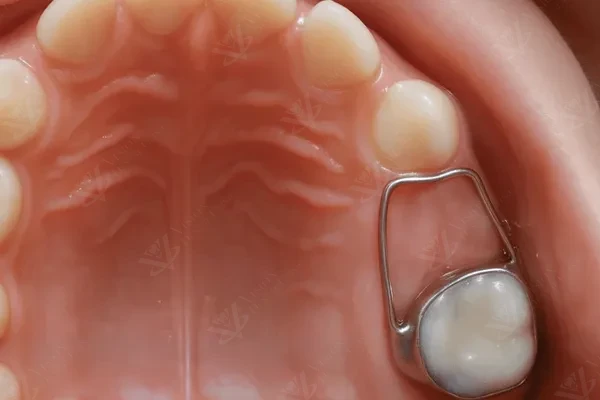
When baby teeth are lost prematurely due to decay, trauma, or infection, the resulting gap can cause neighboring teeth to shift. This may block the permanent tooth from erupting in its correct position, leading to crowding and misalignment. A space maintainer may be recommended to prevent these complications.
Dental Anxiety
Fear of the dentist is common among children and can lead to avoidance of dental care. This is why choosing a child-friendly clinic and building positive associations from an early age is so important for long-term oral health.
Preventive Care Essentials
The best way to protect your child's teeth is through consistent preventive care. Here are the key components of a strong preventive strategy:
Fluoride Treatments
Professional fluoride treatments strengthen tooth enamel and make it more resistant to acid attacks from bacteria. These quick, painless treatments are typically applied at regular dental check-ups and provide an extra layer of protection against cavities.
Dental Sealants
Sealants are thin, protective coatings applied to the chewing surfaces of the back teeth (molars), where decay most commonly occurs in children. The sealant fills in the natural grooves and pits of the tooth surface, creating a smooth barrier that is easier to clean and resistant to decay. Sealants can reduce the risk of cavities by up to 80% in treated teeth.
Proper Brushing Technique
Children should brush their teeth twice daily with a fluoride toothpaste. For children under three, use a rice-grain-sized amount of toothpaste; for children three to six, use a pea-sized amount. Parents should supervise and assist with brushing until the child is seven or eight years old, as younger children lack the manual dexterity to brush effectively on their own.
Flossing
Once your child has two teeth that touch, flossing should become part of the daily routine. Parents can help by flossing their child's teeth until the child can manage it independently, usually around age eight or nine.
Limiting Sugary Foods and Drinks
Frequent exposure to sugar is the primary driver of childhood tooth decay. Limit sugary snacks and drinks, especially between meals. Encourage water over juice and soft drinks, and avoid giving children sugary beverages in sippy cups or bottles for prolonged periods.
Making Dental Visits Fun
A positive experience at the dentist during childhood sets the tone for a lifetime of healthy dental habits. Here are strategies that make dental visits enjoyable rather than stressful:
- Choose a child-friendly clinic: Look for a dental practice that is experienced with children, has a welcoming environment, and uses age-appropriate communication
- Use positive reinforcement: Praise your child for being brave and cooperative, and consider small rewards after visits
- Schedule familiarization visits: A brief introductory visit where the child simply meets the dentist, sits in the chair, and explores the clinic can reduce anxiety significantly before the first real appointment
- Explain in child-friendly language: Use simple, non-threatening terms to describe what will happen. Avoid words like "shot," "drill," or "pain" that might create fear
- Lead by example: Let your child see you going to the dentist calmly and positively. Children often mirror their parents' attitudes
Nutrition for Healthy Teeth
What your child eats has a direct impact on the health of their teeth. A balanced diet rich in the right nutrients supports strong enamel, healthy gums, and proper jaw development.
- Calcium-rich foods: Milk, cheese, yogurt, and leafy green vegetables provide the calcium needed for strong tooth enamel and healthy bone development
- Crunchy fruits and vegetables: Apples, carrots, and celery stimulate saliva production, which naturally rinses away food particles and neutralizes acids
- Water over juice: Plain water, especially fluoridated tap water, is the best beverage for teeth. It rinses the mouth, hydrates, and provides fluoride. Fruit juice should be limited and diluted when given
- Limit sticky sweets: Dried fruits, gummy snacks, and toffees cling to teeth for extended periods, giving bacteria more time to produce harmful acids
- Cheese as a snack: Cheese raises the pH level in the mouth, reducing the risk of decay, and provides calcium and protein for strong teeth
When to See an Orthodontist
The American Association of Orthodontists recommends that every child have their first orthodontic evaluation by age seven. At this age, enough permanent teeth have emerged to identify developing problems, and early intervention can be significantly more effective than waiting until all adult teeth are in place.
Early orthodontic assessment can identify and address:
- Crossbites that can cause uneven jaw growth if left untreated
- Crowding that may benefit from guided expansion of the dental arches
- Protruding front teeth that are more susceptible to trauma and injury
- Harmful oral habits such as thumb sucking or tongue thrusting that are affecting tooth alignment
Early treatment does not always mean braces right away. In many cases, the orthodontist will simply monitor development and recommend intervention at the optimal time.
Emergency Dental Care for Children
Dental emergencies can happen at any time, especially with active children. Knowing how to respond can save a tooth and reduce pain and anxiety.
Knocked-Out Tooth
If a permanent tooth is knocked out, time is critical. Pick up the tooth by the crown (the visible part, not the root), rinse it gently with water without scrubbing, and try to place it back into the socket. If that is not possible, keep the tooth moist in milk or saliva and get to the dentist within 30 minutes for the best chance of saving the tooth. If the tooth is a baby tooth, do not attempt to replant it, but still see the dentist promptly.
Broken or Chipped Tooth
Rinse the mouth with warm water, apply a cold compress to reduce swelling, and save any tooth fragments. Contact your dentist as soon as possible for evaluation and repair.
Toothache
Rinse with warm salt water and gently floss around the affected tooth to remove any trapped food. Apply a cold compress to the outside of the cheek if there is swelling. Avoid placing aspirin directly on the gum, as it can burn the tissue. Schedule a dental appointment promptly to identify and treat the underlying cause.
Kids Dentist Abu Dhabi: Vision Dental Clinic
At Vision Dental Clinic Abu Dhabi, we believe that every child deserves a positive dental experience. Our team is trained in pediatric dentistry and understands how to communicate with children in a way that builds trust and reduces anxiety.
Our clinic offers a welcoming, child-friendly environment where young patients feel comfortable and safe. From routine check-ups and cleanings to fluoride treatments, sealants, space maintainers, and early orthodontic assessments, we provide the full spectrum of pediatric dental care under one roof.
We take the time to educate parents and children together about proper oral hygiene, nutrition, and habits that will protect their smiles for years to come. Your child's comfort, health, and confidence are at the center of everything we do.